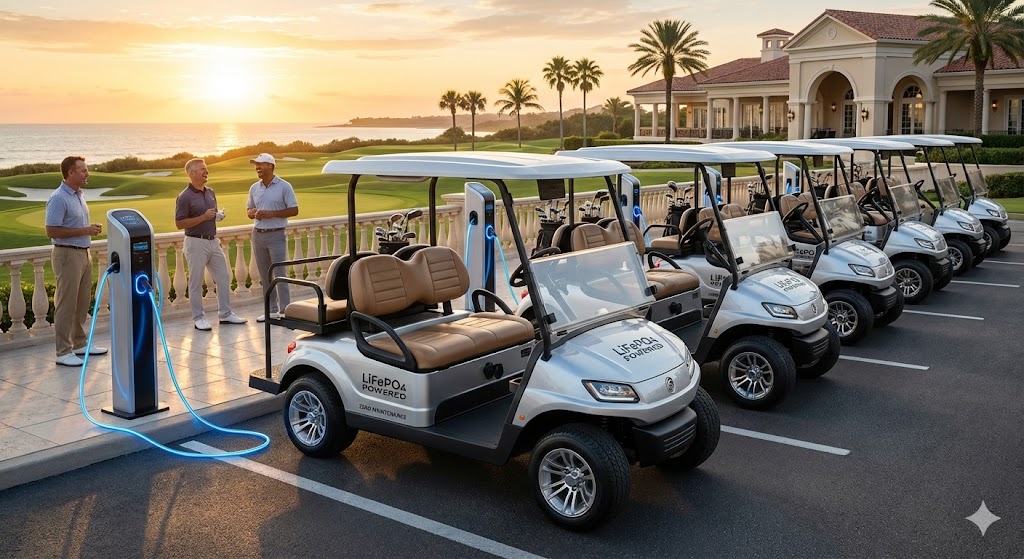
LiFePO4 vs. Lead-Acid: Why Lithium Golf Cart Batteries Are the Future
The Shift from Lead Acid Golf Cart Battery to Lithium
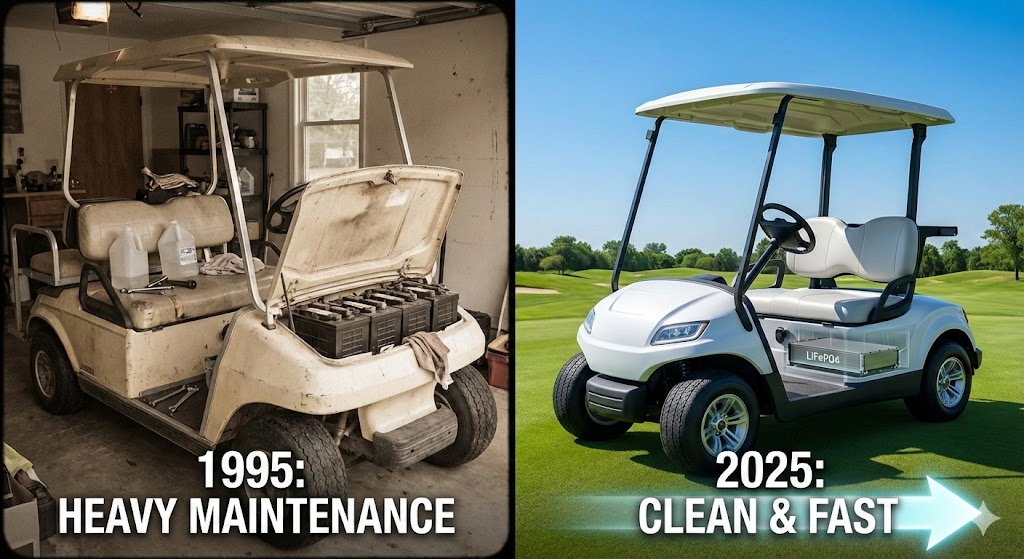
For decades, the lead acid golf cart battery has been the unchallenged workhorse of golf courses, resorts, and personal cart owners. Its heavy, rectangular frames and periodic watering needs became as familiar as the sound of cart tires on pavement. But walk onto any modern golf course today, and you’ll notice something different: carts zipping along with more zip, lasting longer between charges, and—most noticeably—without the telltale maintenance routine of checking water levels. That’s the golf cart lithium battery conversion revolution in motion. As technology marches forward, even the most traditional industries are getting a high-tech upgrade, and golf cart batteries are no exception. The question isn’t whether lithium will replace lead-acid—it’s how quickly you’ll make the switch.
What is a LiFePO4 Golf Cart Battery?
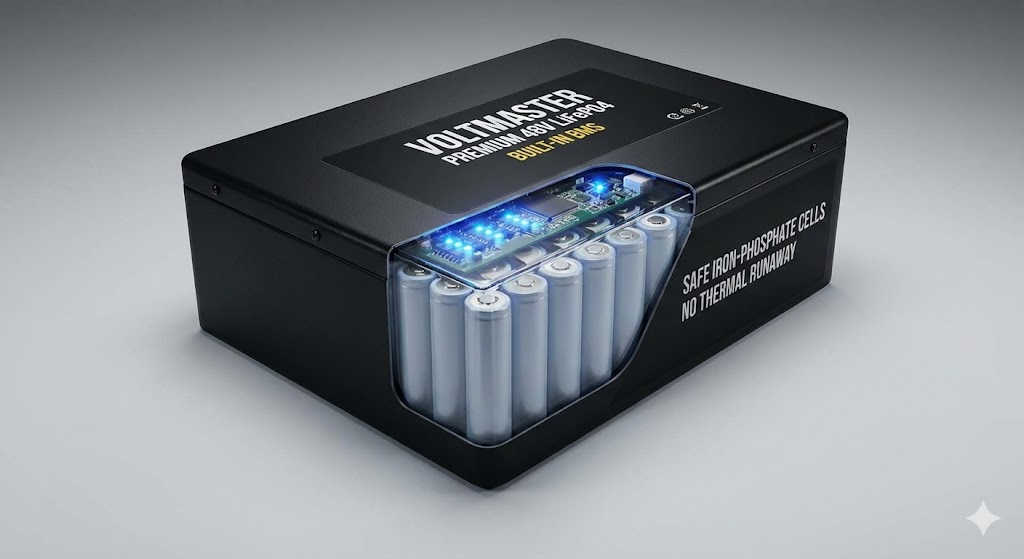
At the heart of this revolution is the LiFePO4 golf cart battery—short for Lithium Iron Phosphate, a type of lithium battery that’s taking the small-vehicle world by storm. Unlike other lithium-ion variants, LiFePO4 batteries prioritize safety and stability, making them ideal for golf carts that operate in hot, outdoor environments. They’re designed with a unique chemical structure that resists overheating and thermal runaway, a critical feature when batteries are tucked under a cart seat during a summer round. What really sets them apart, though, is their ability to deliver consistent power from full charge to near-empty, unlike lead-acid batteries that fade as they drain. For golfers, that means no mid-round slowdowns. For resort owners, it means fewer carts sidelined for recharging. It’s no wonder LiFePO4 has become the gold standard for lithium golf cart batteries.
Lithium Battery vs Lead Acid Golf Cart Battery: Key Differences
| Feature | LiFePO4 Lithium | Lead-Acid |
|---|---|---|
| Cycle Life | 3000-5000 cycles | 500-1000 cycles |
| Lifespan (Years) | 10+ years | 3-5 years |
| Weight | 60% lighter | Heavier (200 lbs typical) |
| Charging Time | 2-3 hours | 8-10 hours |
| Maintenance | Maintenance-free | Requires watering/cleaning |
| Performance | Consistent power delivery | Fades as charge depletes |
Lithium golf cart batteries
Lifespan: How Long Do Golf Cart Batteries Last?
The most striking difference between lithium and lead-acid lies in longevity. Let’s start with cycles—the number of times a battery can be fully charged and discharged before losing significant capacity. A typical lead-acid battery tops out at 500-1000 cycles, which translates to 3-5 years of average use. Lithium golf cart batteries
Golf Cart Lithium Battery Conversion: Is It Difficult?
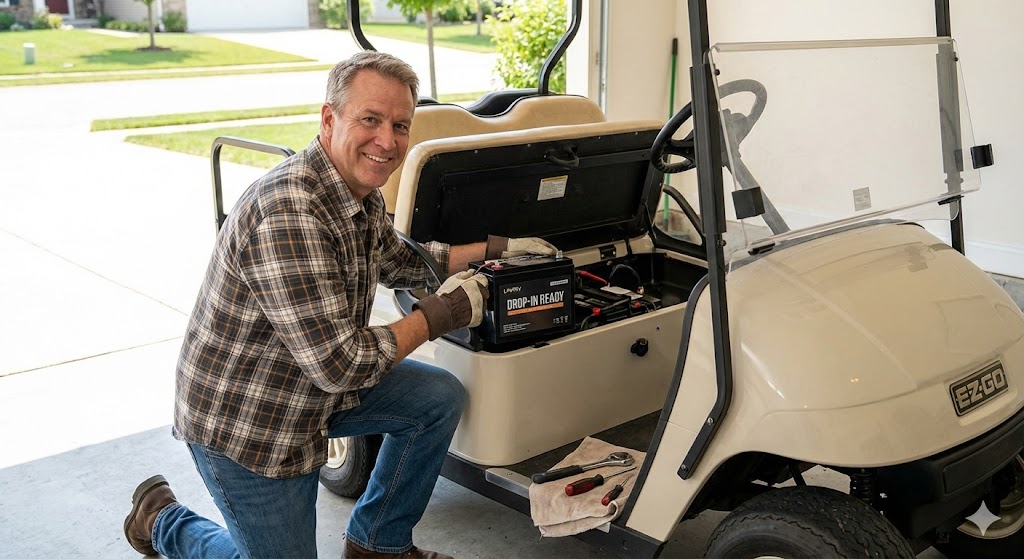
Many cart owners worry that converting to lithium means complicated modifications, but today’s systems are designed for simplicity. Most golf cart lithium battery conversion kits are “drop-in” replacements, meaning they fit the same space as your old lead-acid batteries. You’ll need a compatible lithium charger (lead-acid chargers won’t work), but many kits include one. Wiring is straightforward—positive to positive, negative to negative—and most carts don’t require voltage adjustments. Some owners even handle the swap themselves in under an hour. For those less handy, golf cart shops typically charge $100-$200 for installation. The biggest consideration? Battery management systems (BMS), which protect lithium batteries from overcharging and deep discharge. Reputable brands include this built-in, so always choose a BMS-equipped LiFePO4 golf cart battery. With the right kit, conversion is so simple that even golf courses with minimal maintenance staff are making the switch.
Conclusion: Are Lithium Golf Cart Batteries Better?
After weighing the evidence, the answer is clear: lithium golf cart batteries outperform lead-acid in nearly every category that matters. They last 2-3 times longer, charge 3-4 times faster, require zero maintenance, and deliver better performance while reducing long-term costs. The upfront price is higher, but the investment pays off within 3-5 years—and keeps paying for another decade. For golf courses and resorts, the savings in replacement and labor alone justify the switch. For individual owners, it’s about convenience and reliability: no more watering batteries, no more mid-round power fades, no more unexpected replacements. The golf cart lithium battery conversion wave is here, and it’s not just a trend—it’s the future of golf cart power. As technology improves and prices continue to drop, there’s never been a better time to make the switch. Your cart (and your wallet) will thank you.